REGAIN YOUR FREEDOM WITH PELVIC FLOOR REHABILITATION

You don’t need to live with incontinence, pelvic pain and lower back pain as a side effect of pelvic floor dysfunction.

Book A Pelvic Health Appointment

Meet our Pelvic Health Team

Do any of these sound familiar?

Leaking
Urgency/frequency
Pelvic pressure
Pelvic pain
Pain with intercourse
Pregnancy/postpartum concerns
Bowel difficulties
Tailbone/pelvic/low-back pain
Difficulty returning to exercise

We can help you feel like yourself again.

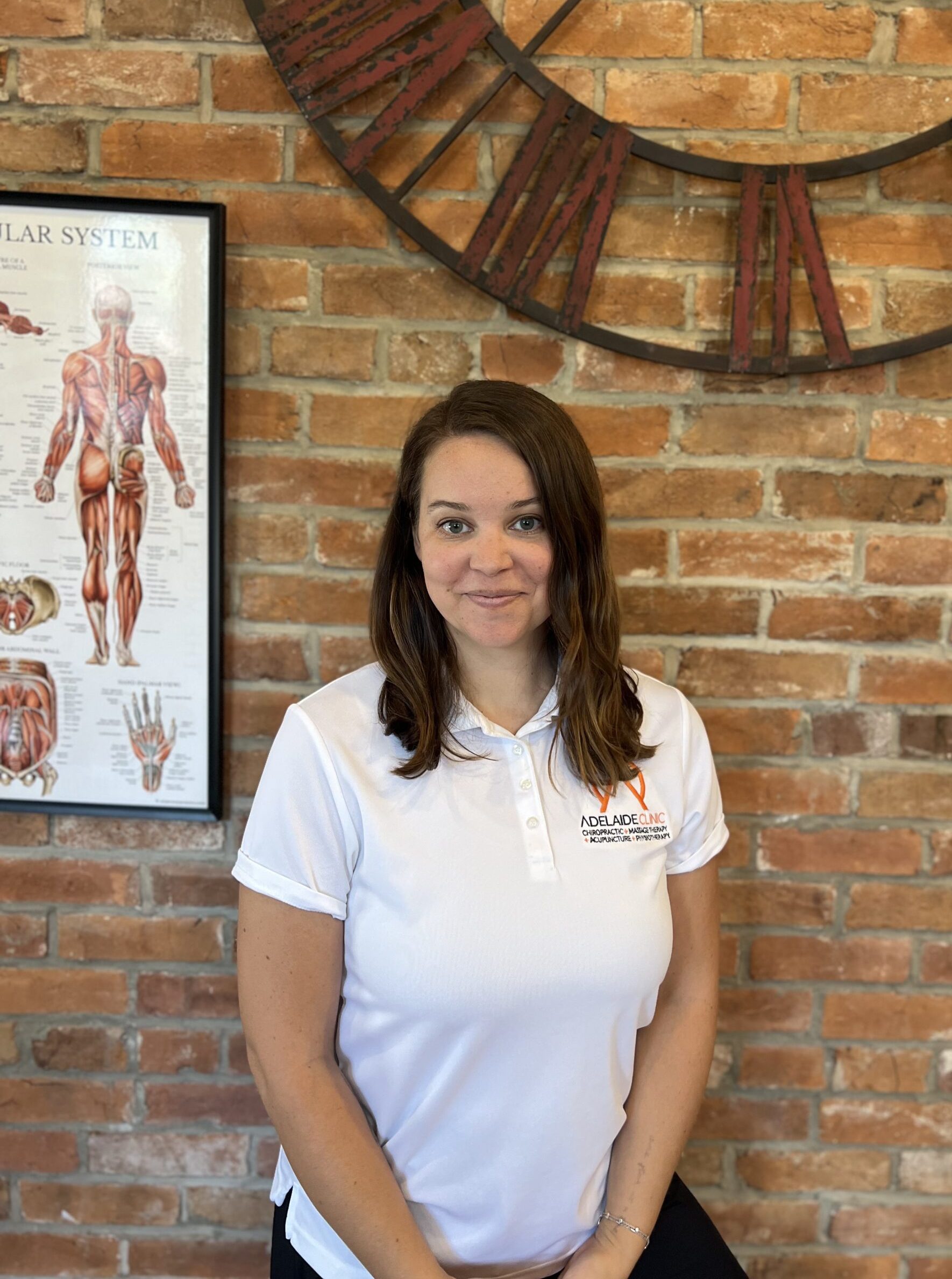
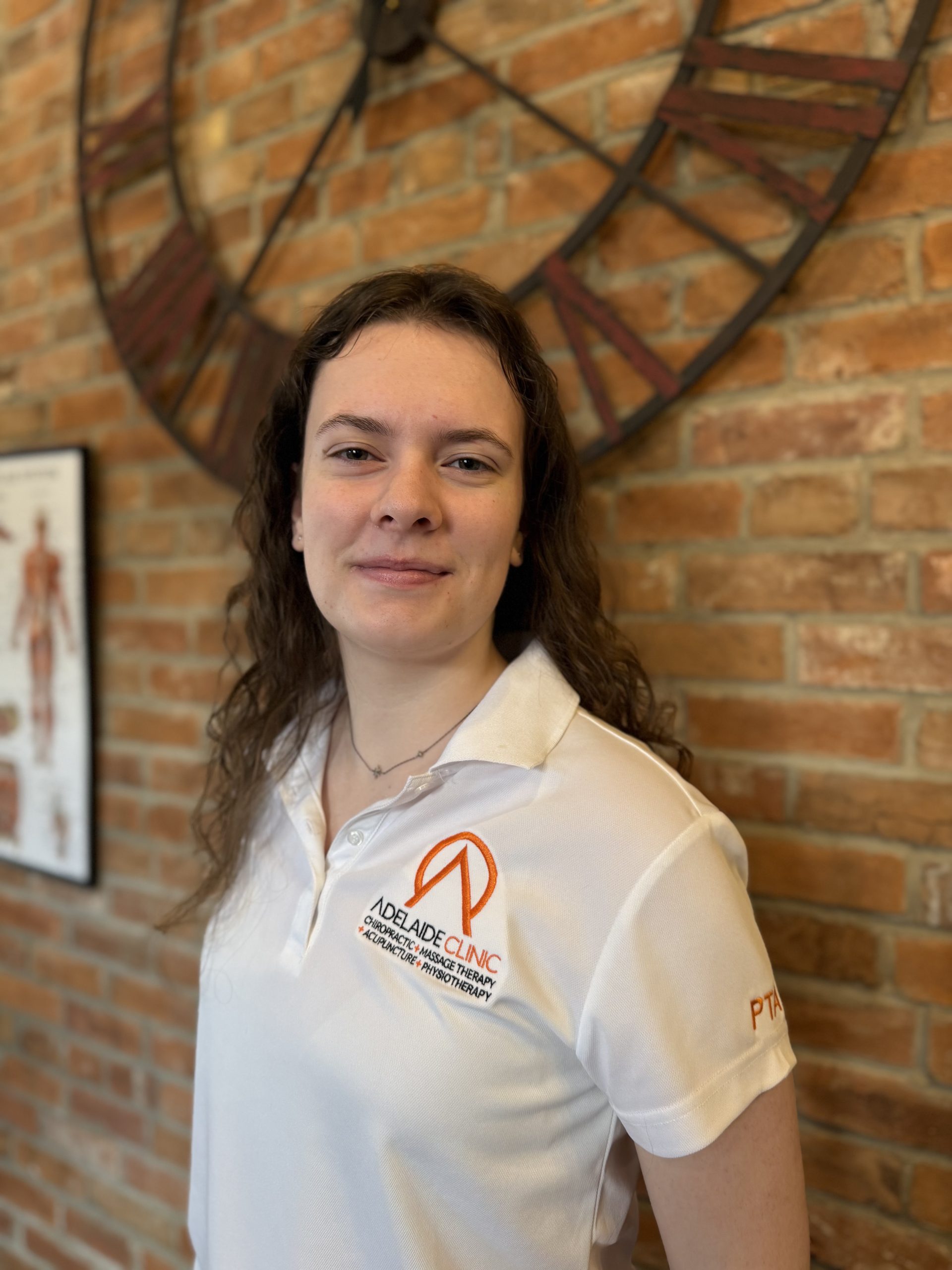
Meet Our Pelvic Health Rehab Therapist

You don’t have to live with pain.

DR. JACQUELYN NICHOLLS

Book A Pelvic Health Appointment

What is Pelvic Floor Rehabiliation?

Pelvic Floor Rehabilitation involves assessing and treating a group of muscles that create a bowl in the bottom of our pelvis that support the bladder, uterus, prostate, and rectum. These pelvic floor muscles must be strong to keep us dry and relax fully for urination, defecation, and in women, sexual intercourse. Treatment is customized to each patient and often involves exercises, lifestyle modifications, manual therapy, bladder retraining, education, or biofeedback to decrease or abolish your symptoms and achieve your pelvic health goals. 


There is so much more to pelvic physiotherapy than kegels – did you know 50 -70% of women are doing “kegel exercise” incorrectly?

Pelvic Floor Rehabilitation may incorporate strengthening, bladder retraining, urge suppression techniques, proper breathing, posture, core strengthening and biofeedback.

Do you pee when you sneeze? Avoid jumping jacks? See a pelvic physiotherapist! A pelvic floor therapist can help with:

• Reduce leakage with lifting, exercise, or cough/sneeze
• Reduce urinary urges that have you running to the bathroom all day
• Reduce the need for medications, incontinence pads or even surgery
• Provide you with a postnatal assessment of your pelvic floor (6 weeks to 6 months after delivery ideal)
• Provide you with a prenatal assessment of your pelvic floor (12 weeks to 40 weeks pregnant)
• Providing a safe return to sport postnatal program

Put your body in good hands

Who is Pelvic Floor Rehabilitation for?

It is helpful to those who:

Leak urine when they cough, laugh, sneeze or exercise

Leak urine due to inability to hold during strong urges

Urinate more than 8 times a day

Have difficulty initiating urination

Feel that they have not fully emptied their bladder after urination

Have a feeling of pressure or heaviness in their pelvic region

Strain to have a bowel movement

Experience pain during or after a bowel movement

Have pain with sexual intercourse or difficulty with penetration

Have pelvic pain (vaginal, rectal, or perineal)

Have pelvic girdle, buttock, low back, or coccyx pain

Had an Episiotomy, Forceps delivery, or C section

Pregnant women who would like to prevent tearing during labor

Or those diagnosed with:

Stress or Urge Incontinence

Pelvic Organ Prolapse

Over Active Bladder

Pregnancy-related pain (pre and post-partum)

Interstitial Cystitis

Dyspareunia

Vaginismus

Vulvodynia/ Vestibulodynia

Puedendal Neuralgia or Etrepments

FAQS

  • Why is Pelvic Health important?

    Pelvic Floor Rehabilitation involves assessing and treating a group of muscles that create a bowl in the bottom of our pelvis that support the bladder, uterus, prostate, and rectum. These pelvic floor muscles must be strong to keep us dry and relax fully for urination, defecation, and in women, sexual intercourse. Treatment is customized to each patient and often involves exercises, lifestyle modifications, manual therapy, bladder retraining, education, or biofeedback to decrease or abolish your symptoms and achieve your pelvic health goals.

  • How do I know if I need Pelvic Floor Rehabilitation?

    Pelvic pain is common but not normal. Let us help you feel like yourself again!

    Pelvic Floor Rehabilitation can help with:

    Perinatal complications, including tears during delivery
    Urinary incontinence
    Fecal incontinence
    Constipation
    Pelvic organ prolapse
    “Peezing” – Leaking urine when you sneeze – it can be treated!
    Painful intercourse (dyspareunia)

  • Does my insurance cover Pelvic Floor Rehab?

    In almost all cases – yes!  We can check for you before your appointment but almost all plans cover this.

  • What is Pelvic Health Rehabilitation?

    Pelvic Floor Rehabilitation involves assessing and treating a group of muscles that create a bowl in the bottom of our pelvis that support the bladder, uterus, prostate, and rectum.

  • What happens during a Pelvic Floor Rehab Assessment?

    You will meet with your therapist in a private treatment room; where you will discuss your invididual symptoms and goals. The therapist will create a relevant physical assessment; which will not include internal physical examination. Dr. J will create an individualized treatment plan; which often include exercises, education on lifestyle changes, manual therapy/other appropriate interventions to help you reach your goals.
    At Adelaide Clinic patient consent and patient comfort our top prioity. We know pelvic health can be intimidating. We are here to help!

  • Do I need a doctor's referral?

    It is not required! You can book the appointment yourself and we bill your insurance for you.

  • Do I need an internal examination?

    Short answer

    No. An internal examination is not always necessary. Your assessment will be based on your symptoms, concerns and goals. If an internal examination may be helpful, your provider will explain why, discuss your options. You can always ask questions or decline.

    Longer answer

    No, an internal examination is not required for every pelvic health appointment. Your provider can often learn a great deal by talking with you about your symptoms, completing an external physical assessment, and looking at how your movement, breathing, posture and muscles are functioning.

    In some situations, an internal examination may provide additional information about the pelvic floor muscles and may help guide your treatment. If your provider recommends one, they will explain what it involves, why they feel it may be useful, and what you can expect.

    You are always in control of your care. If you are nervous or have questions, please let your provider know; we want you to feel comfortable and informed throughout your assessment and treatment.

    Physiotherapist are trained to provide internal vaginal examinations. Chiropractors do not provide this type of assessment.

At Adelaide Clinic, Your Pelvic Health Matters—At Every Stage of Life

Pelvic health concerns can happen during pregnancy and postpartum, but they’re not limited to motherhood. Leaking, pelvic pressure, pelvic pain, bladder or bowel changes, painful intercourse, and difficulty returning to exercise can affect women at many different stages of life.

You don’t have to simply live with these symptoms. Our pelvic health team provides individualized assessment, education and rehabilitation to help you better understand your body and work toward your goals.
 

Not sure where to start?


Get a free 15 minute consultation on your issue and we’ll put you on the right path to recovery and wellness.

Book Your Consultation

What do people say about us?