

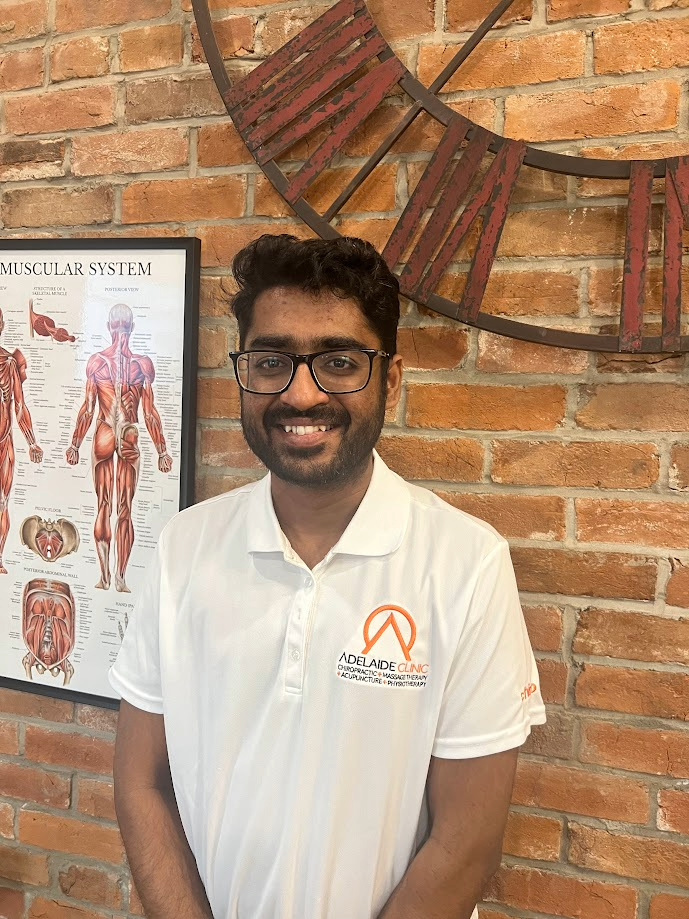
Minesh Kapadia
Physiotherapist
You don't have to live in pain
 CONTACT
 DIRECT BILLING
 705-320-7811

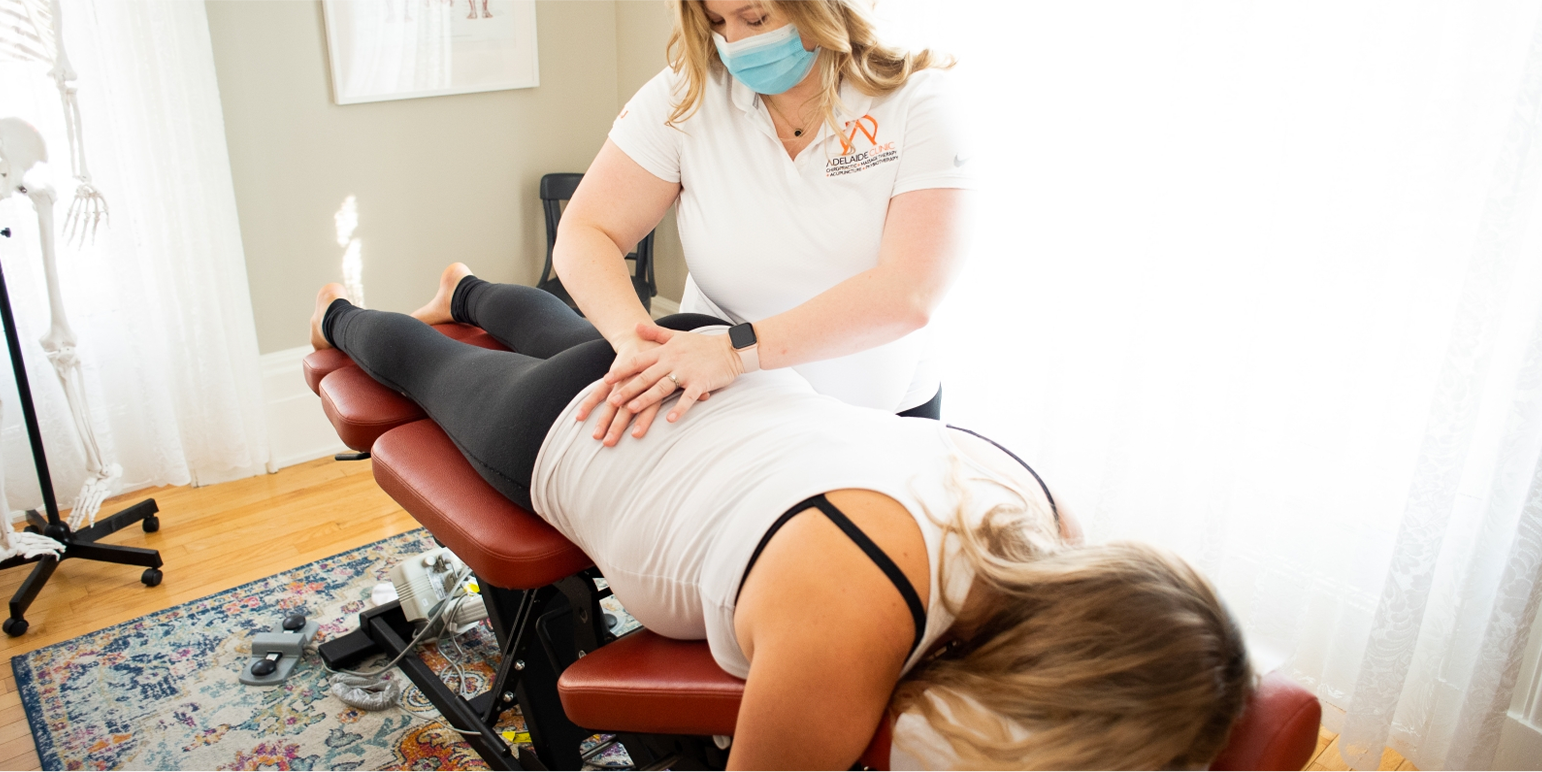
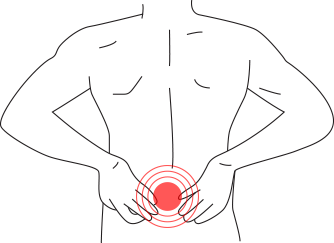
Often pain in the mid back region originates from the small joints in your spine; there is often inflammation involved causing the joints to change their movement patterns which causes you pain. It is often achy and causes difficulty with movement. Typically there are tight muscles involved and/ or rib pain in the area; typically all movements cause more pain, especially breathing or sitting.
This pain ranges from dull and achy to sharp with numbness or tingling into the rib cage or buttock region.
If you are not sure who to see, then give us a call and we can help direct you. Or Book Online.
Commonly presents as pain with breathing and/or lifting and sitting. The pain is usually just beside the spine and can be dull and achy or very sharp; like it ‘takes your breathe away’. This is commonly seen after a fall, pregnancy, post partum, in women, singers and of course for no cause at all. Chiropractic care is a fast and effective solution for this type of pain.
The typical patient presenting with a T4 syndrome is between the age of 30 and 50 years. Females experience the syndrome more frequently than males at a ratio of 4:1. The prevalence of this condition is greater in those whose occupations require sustained or extreme postures such as seated factory assembly line workers, electricians, desk jobs and importantly for this case, students.
Generally, the symptoms associated with T4 syndrome occur in both arms and shoulders, the mid-back, neck and head. The following symptoms can be expected:
– Arm Symptoms:
– Mid-thoracic and cervical spine symptoms
Ache, pain, or stiffness
– Headache
– Other
To date, the pathophysiological mechanism for the T4 syndrome remains unknown; however, it is widely considered that the autonomic nervous system is involved. The sympathetic nervous system provides the major route in which a mid-thoracic dysfunction could express itself superiorly into the head and neck and peripherally into the arms and hands. The sympathetic innervation to the head and neck originate from the spinal cord segments T1-T4 and the upper limb and trunk are supplied by segments T1-T9. It is suggested that sustained or extreme postures may lead to relative tissue ischemia which would stimulate the sympathetic nerves that form a network in the arterioles and capillaries producing pain referral that is experienced in a distal somatic site that is innervated by the same segmental level. A second hypothesized mechanism for the stimulation of sympathetic nerves is via mechanical pressure imposed by dysfunctional thoracic joints onto the adjacent sympathetic chain resulting in referred type pain.
TOS is compression at the neurovascular bundle at the thoracic outlet (nerves or vessels compressed in the root of neck or axilla)
-more common in women, especially those with slim build and drooping shoulders
-reasons for occurrence; a cervical rib, scalenus anterior syndrome, costoclavicular compression, venous or arterial compression, repetitive motion in the shoulder and hand and clavicular trauma.
-contributing factors include: poor posture, polio, pregnancy, hypertrophy or breast surgery.
Is characterized by a Muscle imbalance: when some muscles become weak while other muscles become tight.

This does not manifest in a random pattern; rather it follows a predictable pattern where one group of muscles consistently become weak and a separate group of muscles develop tightness.
The observed muscle imbalances in the “Upper Cross Syndrome” are:
Suprahyoid and mylohyoid
Postural Findings:

You don’t have to live with pain.
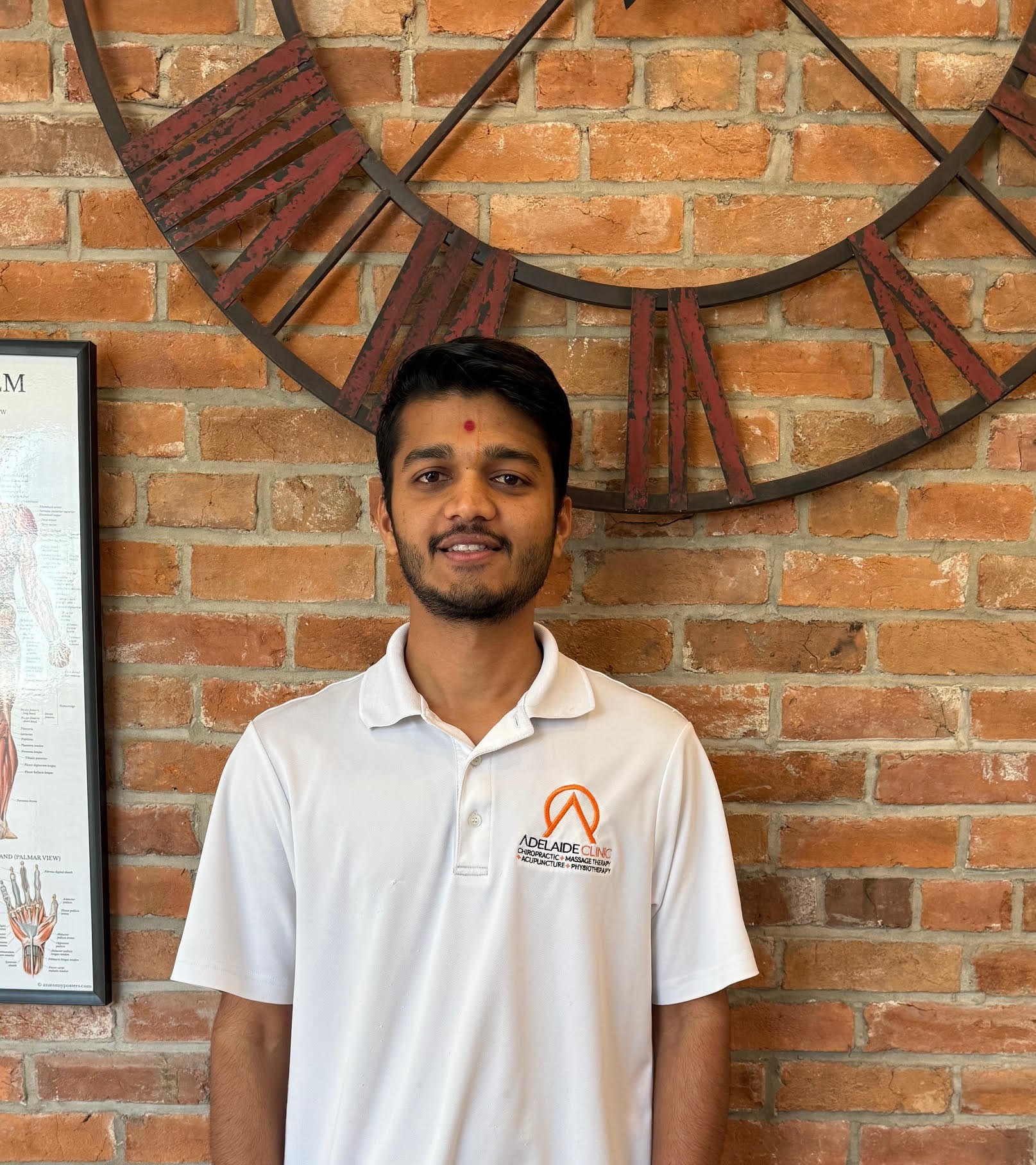
Ravi Vadchhak is a dedicated and patient-focused physiotherapist with expertise in musculoskeletal, neurological, and cardiovascular rehabilitation. With experience in both private clinical settings and long-term care, Ravi is passionate about promoting functional independence and enhancing patient quality of life through innovative, evidence-based treatment strategies.
He has a proven ability to build strong therapeutic relationships, manage diverse caseloads efficiently, and collaborate effectively with multidisciplinary healthcare teams. Ravi’s hands-on experience ranges from conducting comprehensive patient assessments, designing individualized treatment plans, and implementing manual therapy and exercise-based interventions, to using electrotherapeutic modalities and falls prevention techniques.
Ravi holds a Bachelor of Physiotherapy from Pioneer Physiotherapy College in Vadodara, India, and a Diploma in Fitness and Health Promotion from Durham College, Oshawa. He has completed extensive clinical internships in orthopedic, neurological, pediatric, and rehabilitation settings, and is certified in First Aid, CPR, and AED (Level C).
Known for his patience, empathy, and strong communication skills, Ravi is committed to applying his clinical expertise to deliver compassionate care that supports patients in achieving their health and mobility goals.
You don’t have to live with pain.
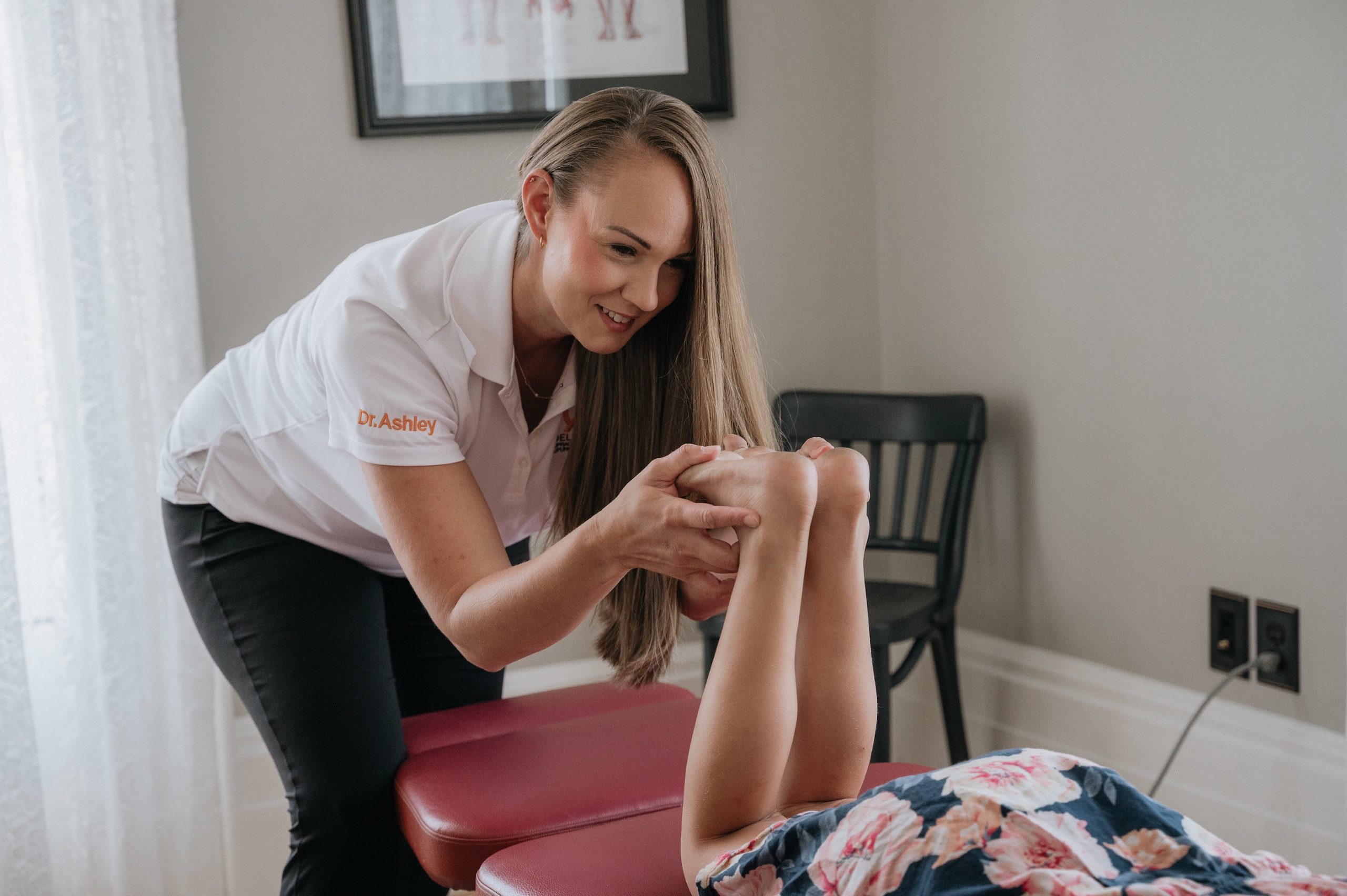
Dr. Ashley completed her Bachelor of Science in Human Kinesiology University of Guelph-Humber before completing her Chiropractic degree. After a family member was in a severe car accident, suffering from intense neck and back pain, she was inspired to pursue her Doctorate of Chiropractic (DC) at the Canadian Memorial Chiropractic College (CMCC) in Toronto.
She completed additional certifications in Functional Integrated Acupuncture (CMCC). Ashley is currently furthering her knowledge in concussion management and low back pain during pregnancy to better serve her patients in the Peterborough area. She is a member of both the Ontario Chiropractic Association (OCA) and Canadian Chiropractic Association (CCA).
Ashley utilizes the best research evidence, her clinical expertise, and individual patient values and preferences to practice evidence based care.
Ashley is proficient in the use of diversified and drop-piece manipulative techniques, myofascial release and instrument-assisted soft tissue therapy, and rehabilitative and strengthening techniques. In addition, she has successfully incorporated methods such as acupressure for headaches, mindfulness meditation for stress, mirror-box therapy and nerve-flossing techniques for neurodynamic-related pain.
Ashley is a former ski instructor, and swim instructor, using her sports experience to aid rehab. She is committed to helping her patients lead a healthy lifestyle.
When Ashley isn’t practicing you can usually find her enjoying the great outdoors or spending quality time with her family and friends.
Certifications: acupuncture
You don’t have to live with pain.
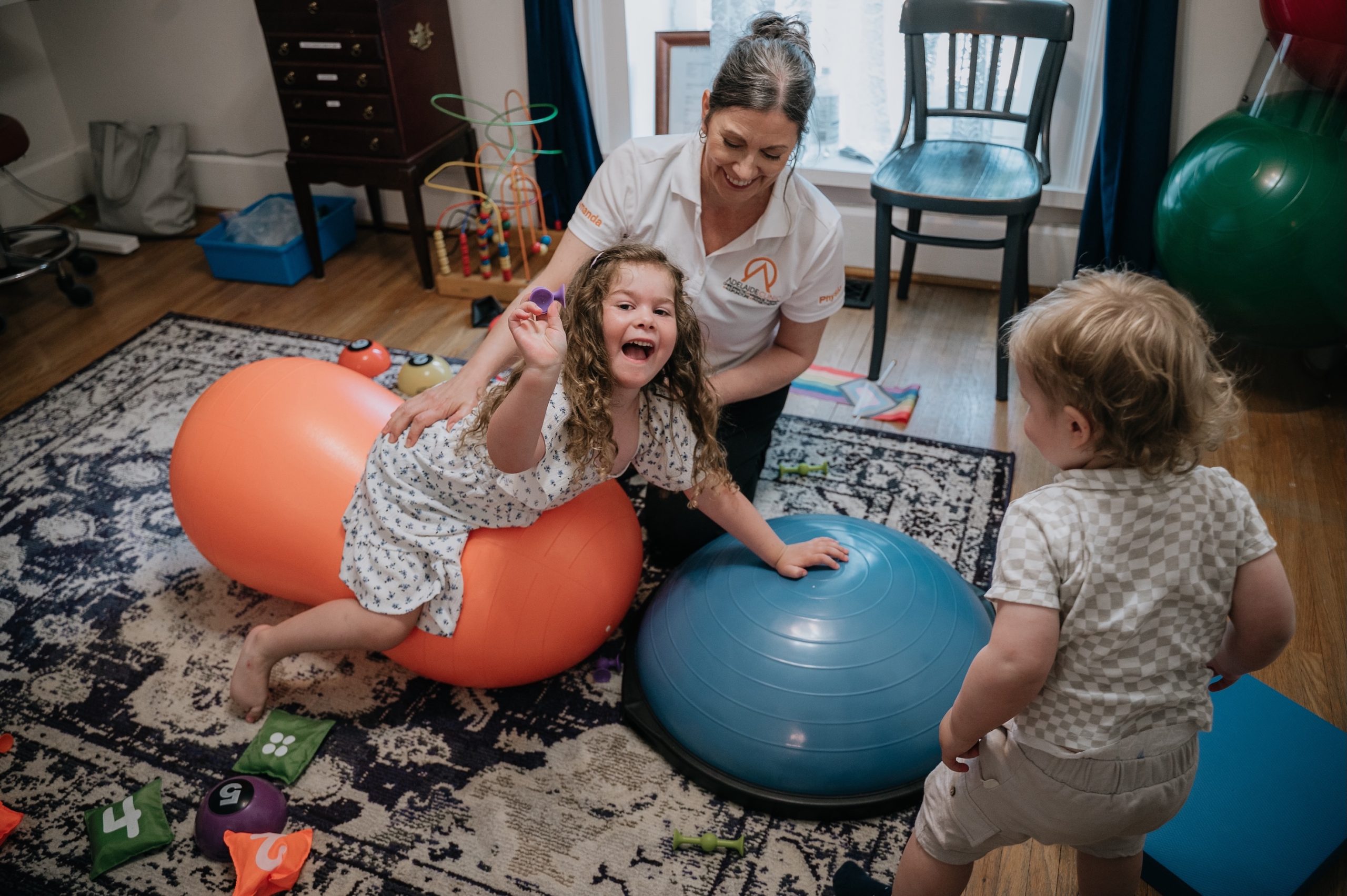
I have been working as a children’s physiotherapist for over 20 years, first in Ireland and the UK and then in Canada.
I relocated to beautiful Kawartha Lakes, with my family a few years ago after spending a number of years in Toronto.
Over the years I have developed my philosophy of PEP –
Play * Explore * Participate as key principles guiding all that I do.
You don’t have to live with pain.
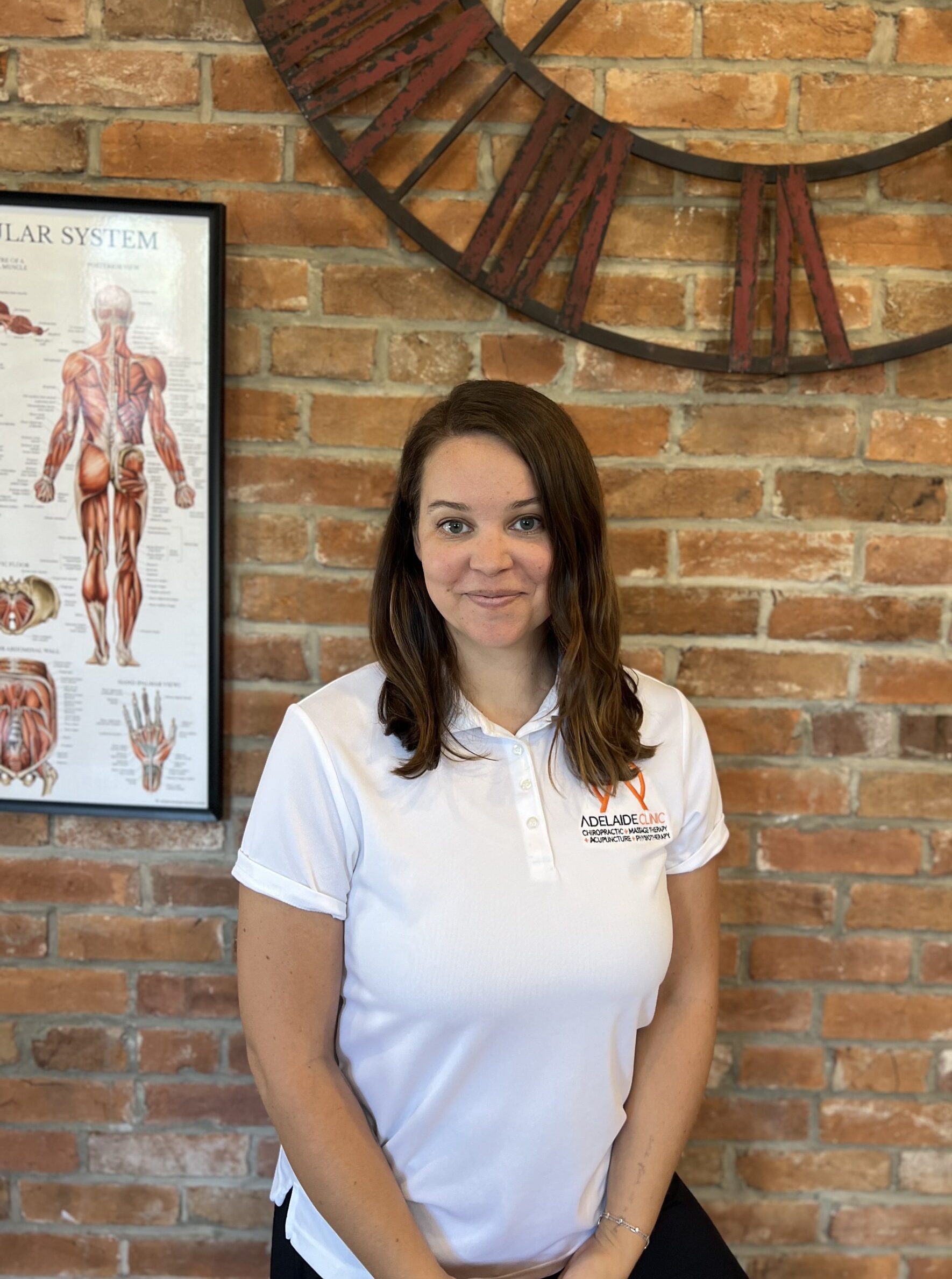
Hi and welcome! I am a certified Hatha and Yin yoga teacher, as well as Pilates Mat and Reformer instructor. I teach locally in Kawartha Lakes, Ontario as well as online classes in both yoga and Pilates.
I am the proud mother of two beautiful boys. I credit my Yoga, Pilates and Breathwork practice with helping me through two healthy pregnancies, two natural labours and deliveries, and my postnatal and breastfeeding journey over the last few years (with my two boys being born just 15 months apart). I hope to help you do the same, whatever your pre- and postnatal journey looks like.
You can find and connect with me online as Sustainable Yogi as I strive to live a life focusing on green living, healthy habits, a sustainable mobility practice and mothering
You don’t have to live with pain.
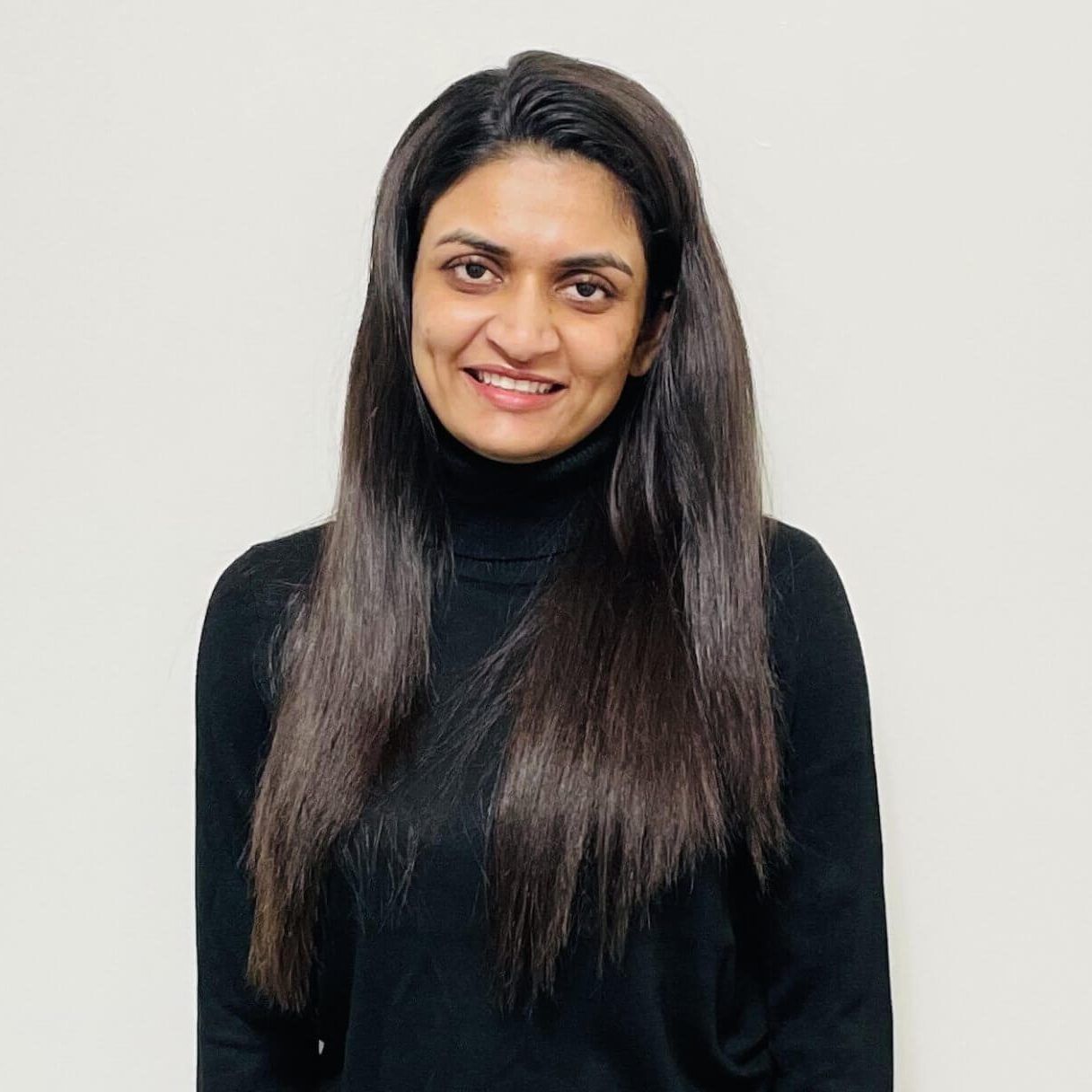
Avani Patel is a highly skilled Registered Physiotherapist with a focus on specialized care in Motor Vehicle Accident (MVA) rehabilitation, orthopedic and sports injuries, neurological conditions, and post-operative rehabilitation. Graduating with a Bachelor’s degree in Physiotherapy in 2017, Avani brings over seven years of comprehensive experience to her practice.
With a deep understanding of manual therapy techniques, therapeutic exercise prescription, and patient education, Avani is committed to guiding individuals towards reclaiming their mobility and embracing pain-free living. Her dedication lies in empowering clients to achieve their optimal physical potential, thereby restoring independence in their daily activities.
You don’t have to live with pain.
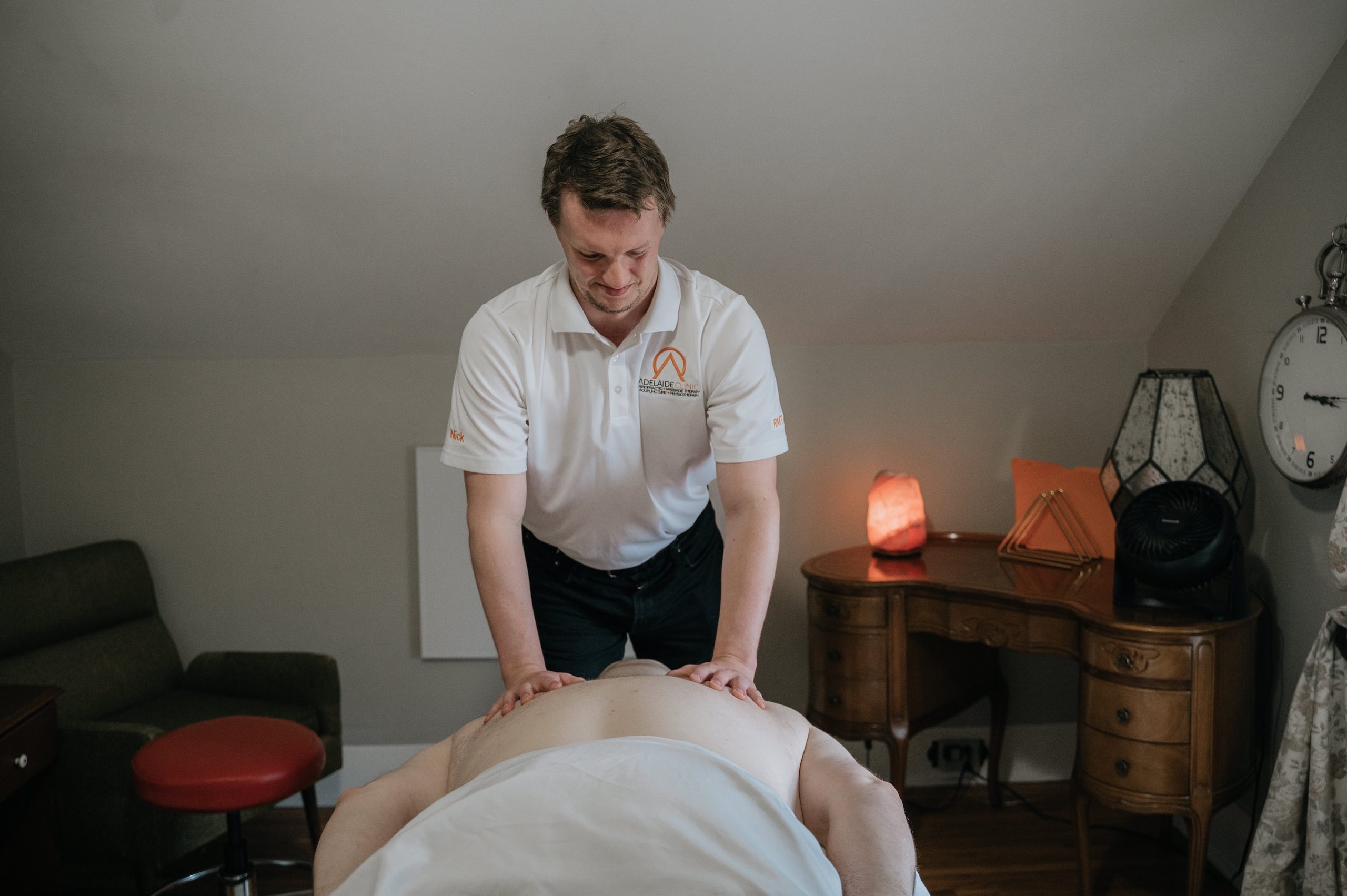
Nicholas is a passionate massage therapist who has amassed over 6 years of experience
working in the realm of massage therapy. He works with clients in all ages and stages of life,
and has worked both in multidisciplinary clinics and spa settings. His focus has primarily
involved working on clients who have been involved in motor vehicle accidents, but he does
enjoy giving relaxation massages as well.
In addition to the techniques found within General Swedish Massage, he also likes to
incorporate Myofascial Cupping Therapy, Trigger Point Therapy, Prenatal Massage Therapy
and other techniques into his treatments when appropriate.
He is currently looking into adding other techniques into his repertoire and a long term goal of
achieving osteopathy certification. Having moved with his family to the Kawartha Lakes region in
the fall of 2024 ,Nicholas is looking forward to establishing roots in the community. He is looking
forward to serving his community by helping them to manage their aches and pains.
You don’t have to live with pain.
I’m Manmeet Sekhon, a dedicated physiotherapist with expertise in musculoskeletal, neurological, and cardiovascular rehabilitation. I have a passion for helping patients recover and improve their quality of life. I provide personalized treatment plans, utilizing the latest techniques and technologies to ensure the best possible outcomes. Whether it’s managing pain, restoring mobility, or enhancing performance, I’m here to guide and support you every step of the way. Let’s work together to achieve your health goals!
You don’t have to live with pain.
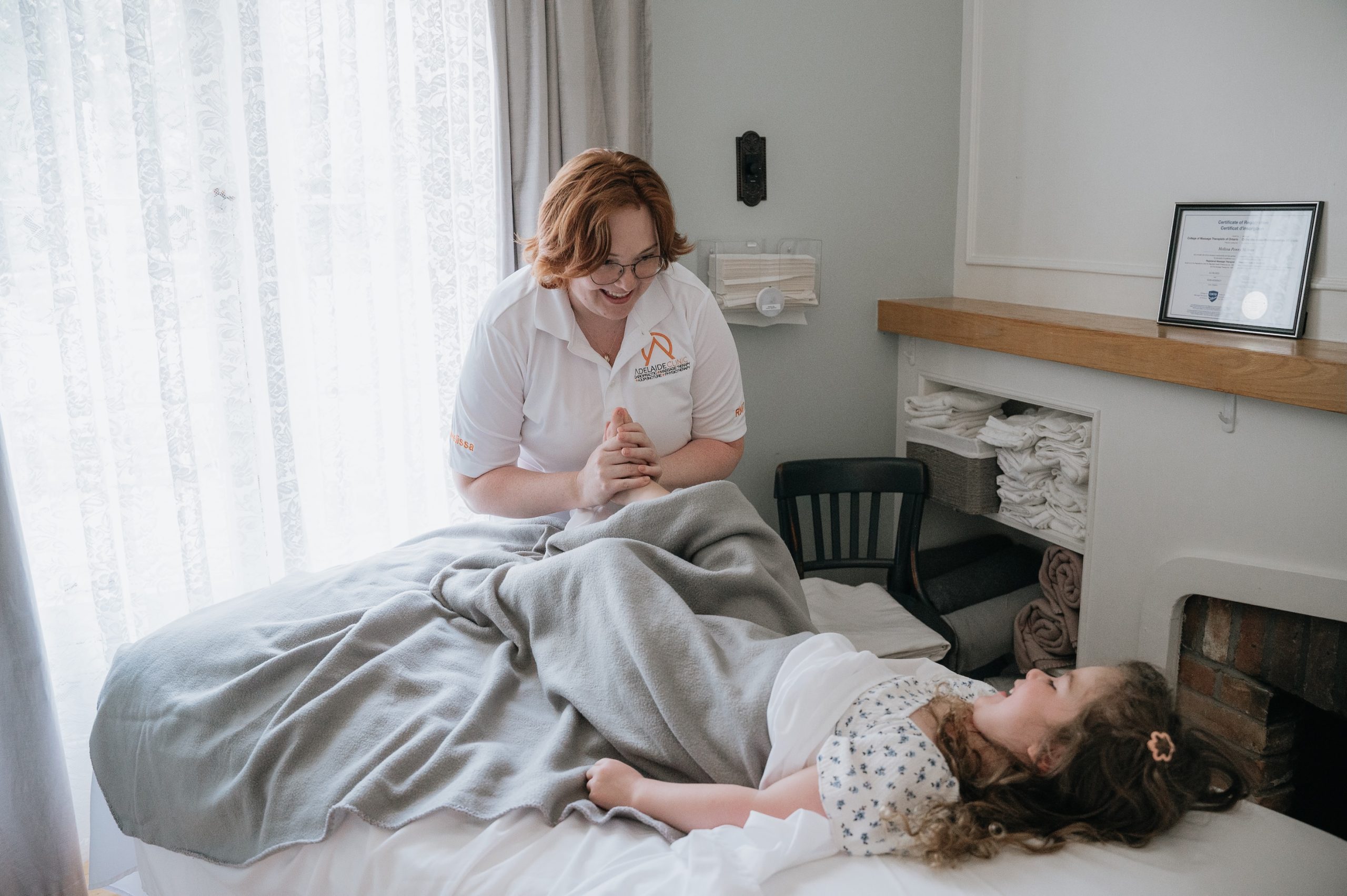
Melissa was initially introduced to what massage therapy could achieve in 2002 at 8 years old when a car accident left a family member injured. That day started her on a path of wanting to be helpful in some way. Fast forward to high school, when she was considering becoming a teacher when an even more severe accident took place in her family, leaving another member severely injured. After seeing so many people she cared about hurt she switched gears and applied to the Massage Therapy program at Sir Sanford Fleming College, where she graduated in 2015.
After working for a few years, she took a small hiatus, resigning as an RMT with the CMTO. Seven years later and her two kids now attending school, she has re-registered and is jumping back in, her family cheering her on all the way.
As a goal-oriented person, Melissa is willing to work hard to help people achieve their wellness goals and live life to the fullest. Melissa looks forward to helping patients with chronic pain, pain from motor vehicle accidents,sports injuries, musculoskeletal pain from work or those who need relaxation. Melissa employs a variety of techniques including deep tissue, prenatal massage, trigger point therapy, Shiatsu, and Swedish massage.
Melissa has found a like-minded practitioner in working with Dr.J who shares a passion for optimizing health and offers skill sets and techniques that she doesn’t have access to.

As a Registered Massage Therapist, Alyssa has grasped and has been exposed to a variety of experience in her field of work.
Her treatments address your pain as effectively as possible. She values key components like stretches and exercises to improve your journey to wellness.
To achieve the client’s goals, she incorporates proper alignment and use of breath in order to deepen the mind and body connection, all while applying a broad range of pressure to soft tissues.
The home care provided will complement the massage treatment and client goals. This creates a well rounded treatment plan and sustainable results. Alyssa will communicate pain management techniques specialized for each individual patient.
She is looking forward to sharing her passion for health with you and working toward your wellness.

Sam Sheehan is a Registered Massage Therapist with a special interest in prenatal, post-partum, and pediatric care. A graduate of the Sutherland-Chan School and Teaching Clinic (2011), she brings over a decade of experience working in multidisciplinary clinics.
Her passion for working with families began early in her career while working in a pregnancy and pediatric-focused chiropractic clinic. She has extensive experience supporting expectant and new mothers, as well as their babies, through massage therapy. Her work has included treating infants for issues such as torticollis, breastfeeding challenges related to oral or jaw tension, and myofascial restrictions from in-utero positioning or difficult births. She has also taught infant massage classes to new parents and continues to be a strong advocate for hands-on support in the early stages of life. She is eager to offer this at Adelaide Clinic!
Sam also provides therapeutic breast massage to support clients experiencing inflammation or congestion, or those recovering from breast cancer treatment. She has worked extensively with caesarean scars and abdominal adhesions, and enjoys helping clients restore comfort and connection in their bodies after birth and surgery. In addition to her perinatal and infant work, she treats clients of all ages and backgrounds, including children with dance or sports injuries.
After spending the past few years at Kawartha Therapeutic Centre, she took a short break to focus on her homestead and family life, including bottle-feeding spring lambs. She’s now excited to return to a clinic setting—ready to bring her skills, compassion, and collaborative spirit to a new team and community.
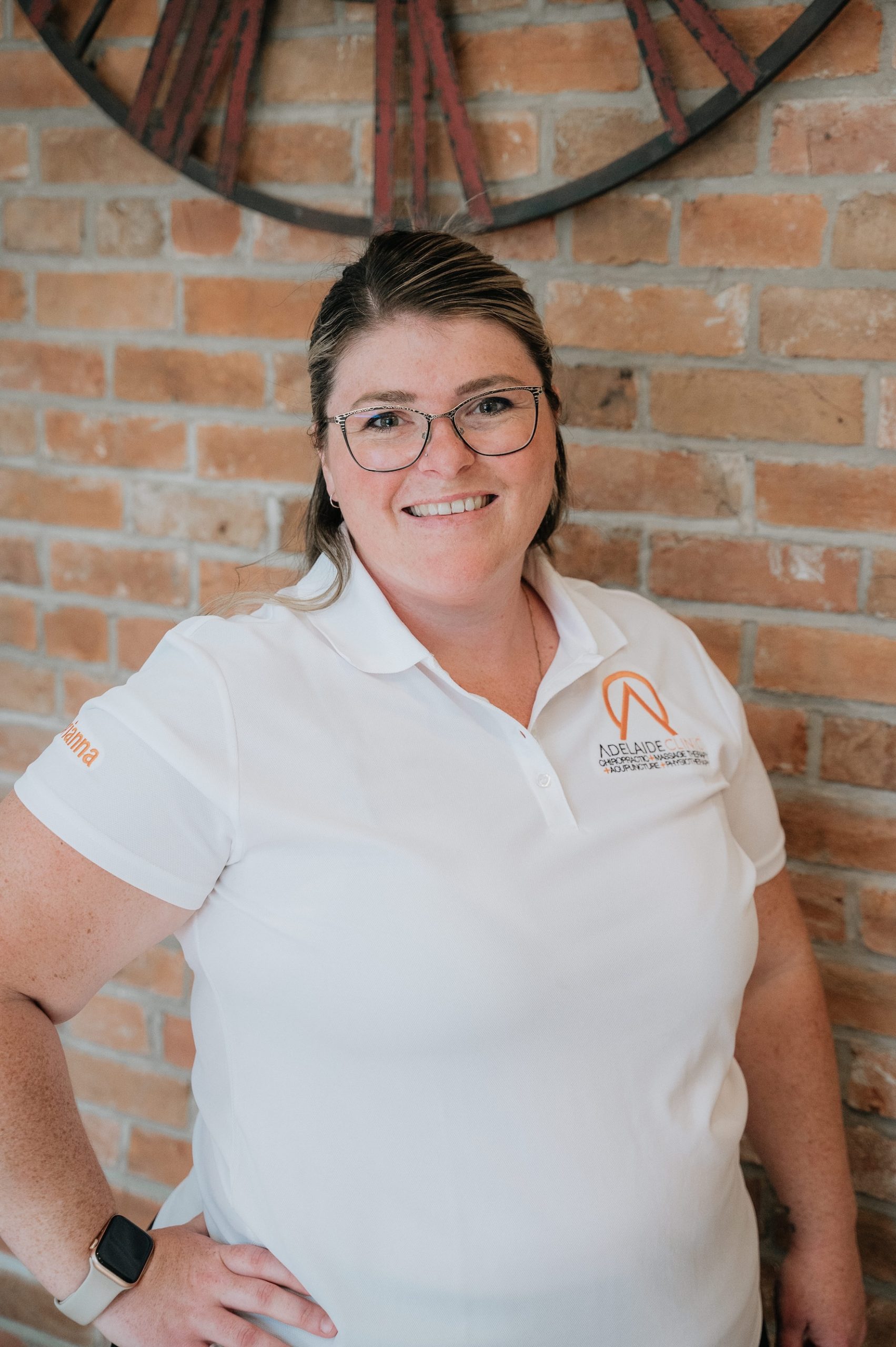
Hi! My name is Brianna Moynes. I was born and raised in Lindsay Ontario. Prior to working at Adelaide Clinic, I was a PSW for 9 years. After my daughter was born, I decided to go back to school and complete the Office Administration program at Fleming College.
When I’m not working at the clinic, I like to spend time with my family at my in-law’s dairy farm just outside of Lindsay. We milk 50 cows and we also are raising 40 sheep.
I really enjoy working as an Administrative Officer at Adelaide Clinic because I enjoy the busy atmosphere of the clinic. Answering phones, scheduling appointments, assisting patients, and managing new tasks as they come up makes me look forward to the versatility and excitement of working at Adelaide Clinic.
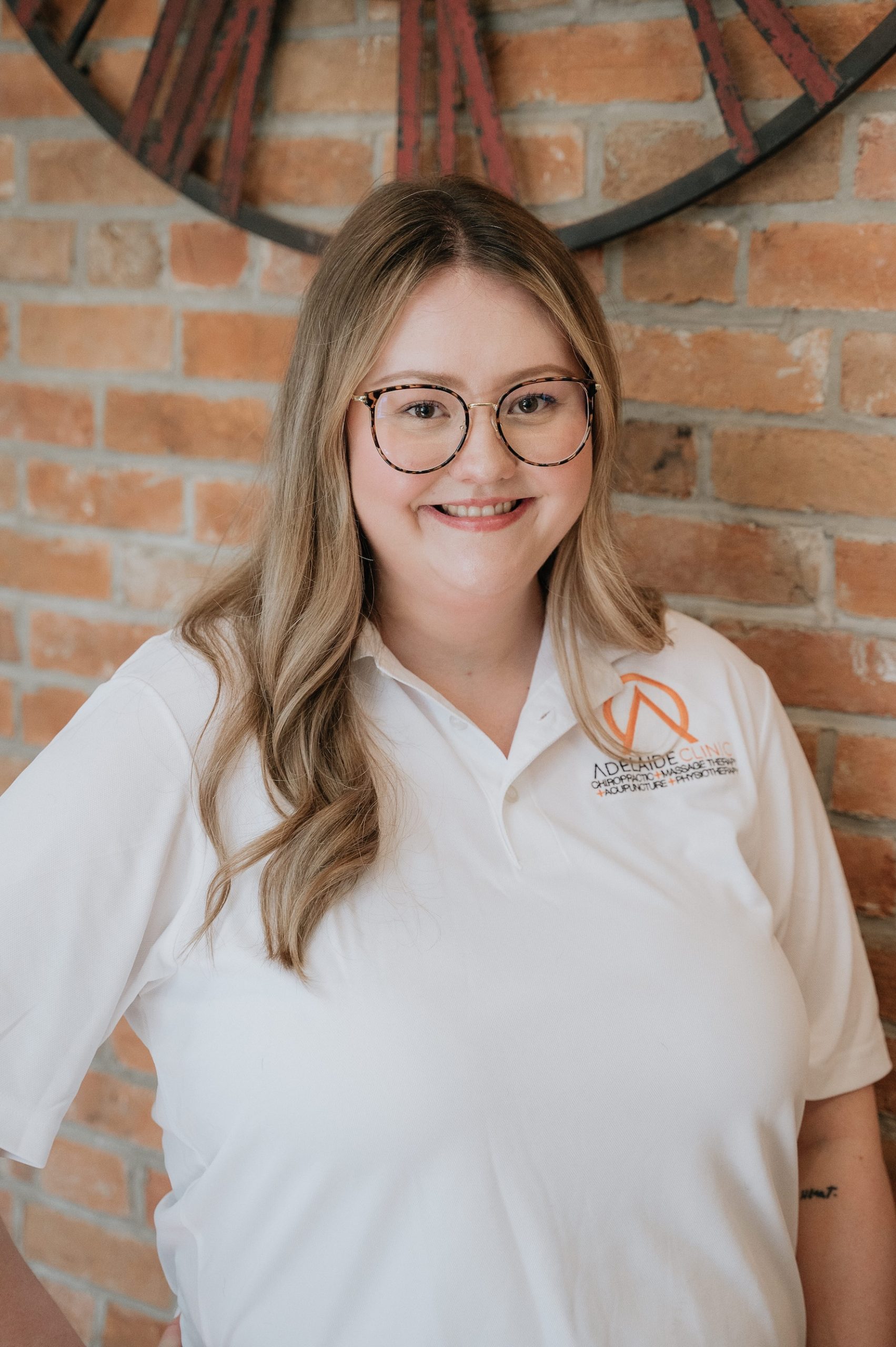
Brooklyn is a part time Administrative Officer and started at the Clinic as a Co-op student. Brooklyn is an Honour roll student in her final year of High school, which also awarded her the title of Ontario Scholar.
Brooklyn has planned a post-secondary education for Practical Nursing as she loves to help others, and is eager to work in a heath care setting.
When not at work, Brooklyn loves being around family and friends, travelling and exploring the world.
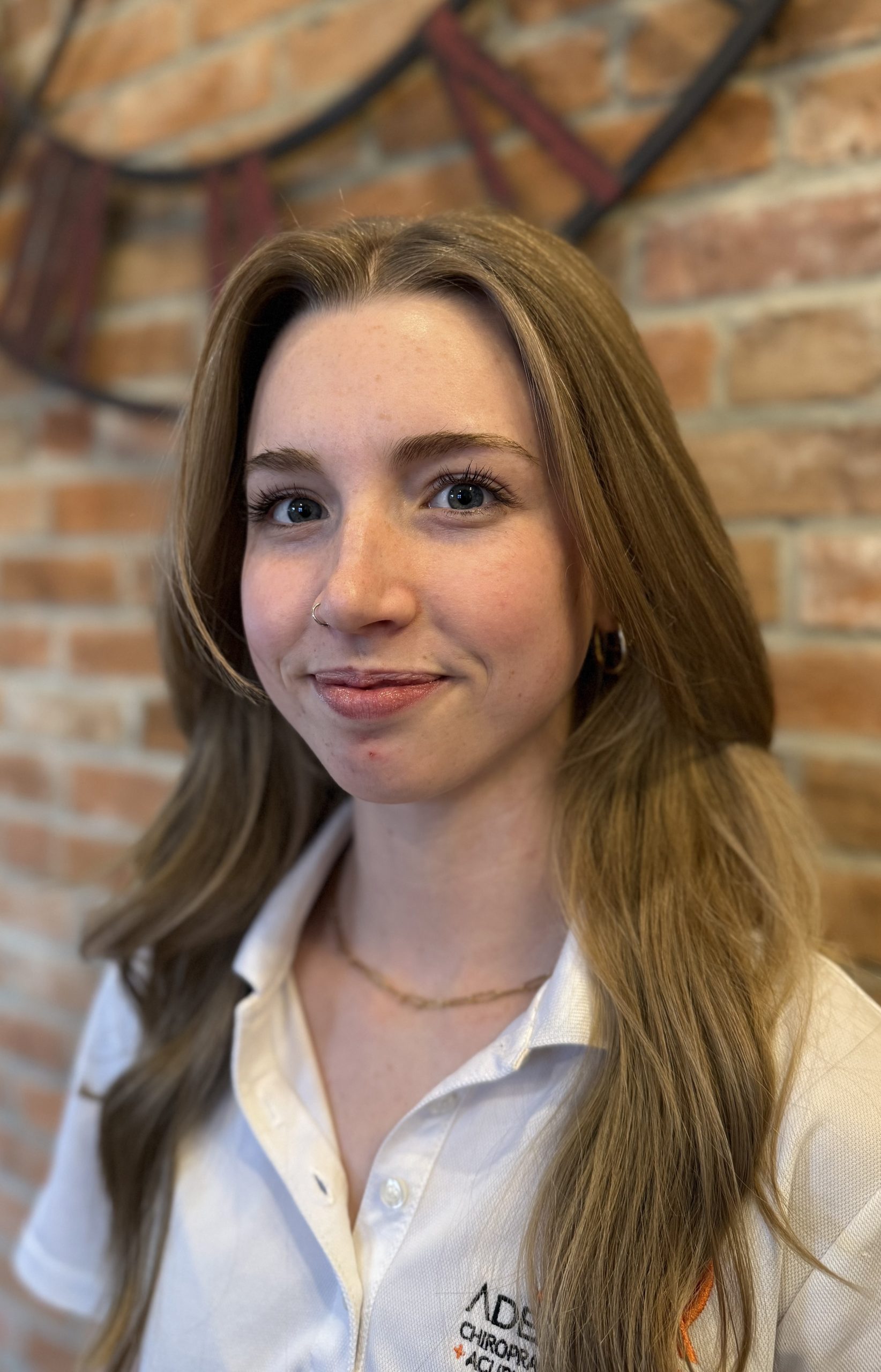
Julia’s journey with Adelaide Clinic began as a co-op student, where she quickly became an integral part of the administrative team and continued working with the clinic till graduation. After taking time to gain clarity and further explore her career goals, Julia returned to school and is currently completing the Occupational Therapy Assistant and Physiotherapy Assistant program.
Julia has a strong passion for healthcare and enjoys supporting both patients and the clinical team. She also has a keen interest in natural remedies and holistic approaches to wellness, which complements her growing clinical knowledge. Outside of work and school, Julia enjoys fishing or relaxing with a good cup of coffee.
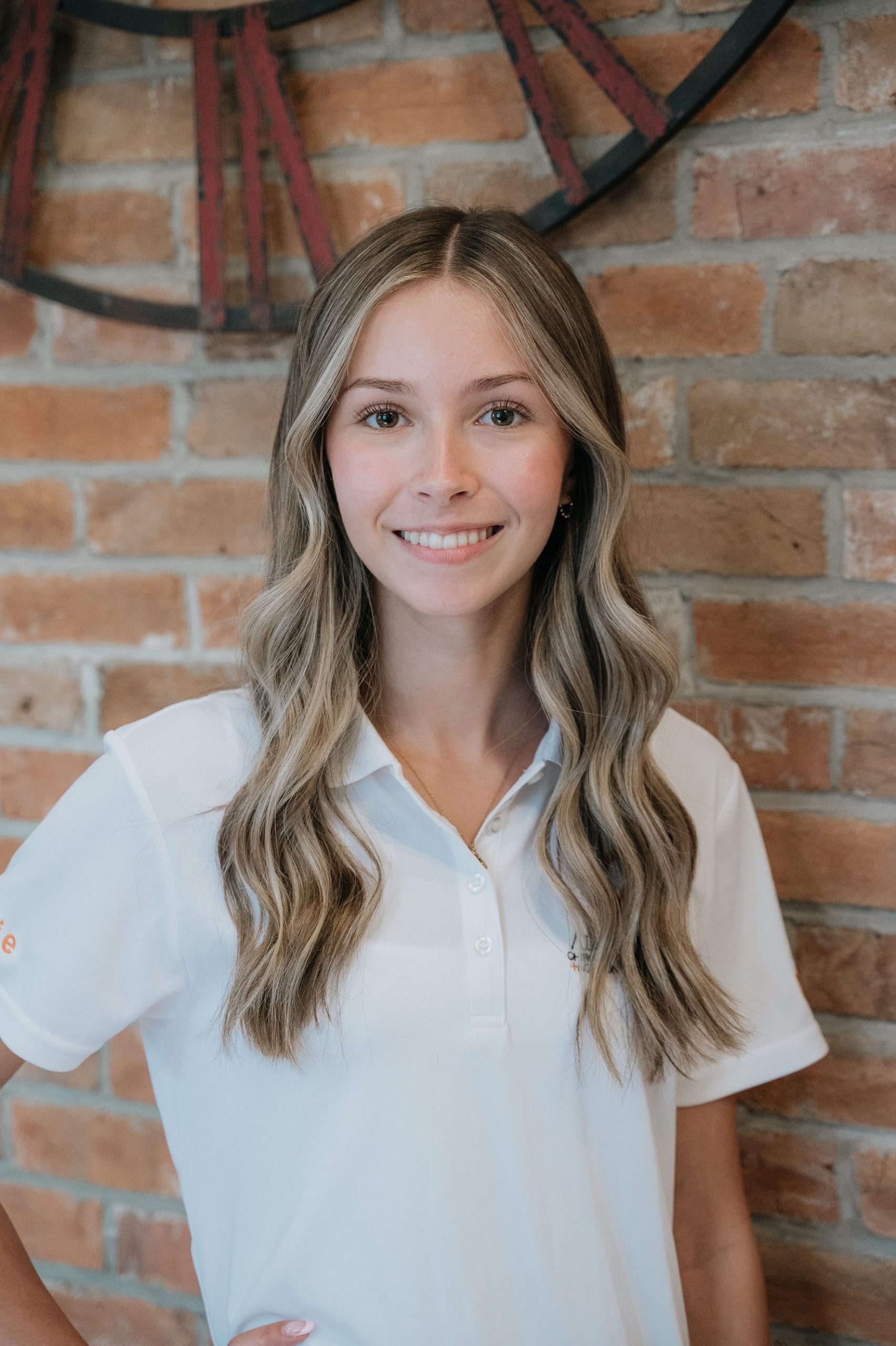
Hi, my name is Bobbie! I have been a part of the Adelaide Clinic team since my third year of highschool when I became a co-op student here at Adelaide Clinic. Shortly after my placement I became a part time administrative officer which eventually grew into also becoming a physiotherapy assistant (PTA).
Throughout my co-op placement and journey with working at the clinic I developed a strong interest in helping people feel better an get back to what they love. This stemmed from being able to shadow many practioners around the clinic and learning what their specialities consisted of. This interest I have has pushed me into growing my knowledge and pursuing an education at Trent University for Honour Bachelor of Science for Kinesiology. I hope to one day further my education and become a physiotherapist.
In my spare time I love spending my time with my family and friends and my two labrador retrievers, going to concerts (specifically country), being outdoors and by the lake.
You don't have to live with pain
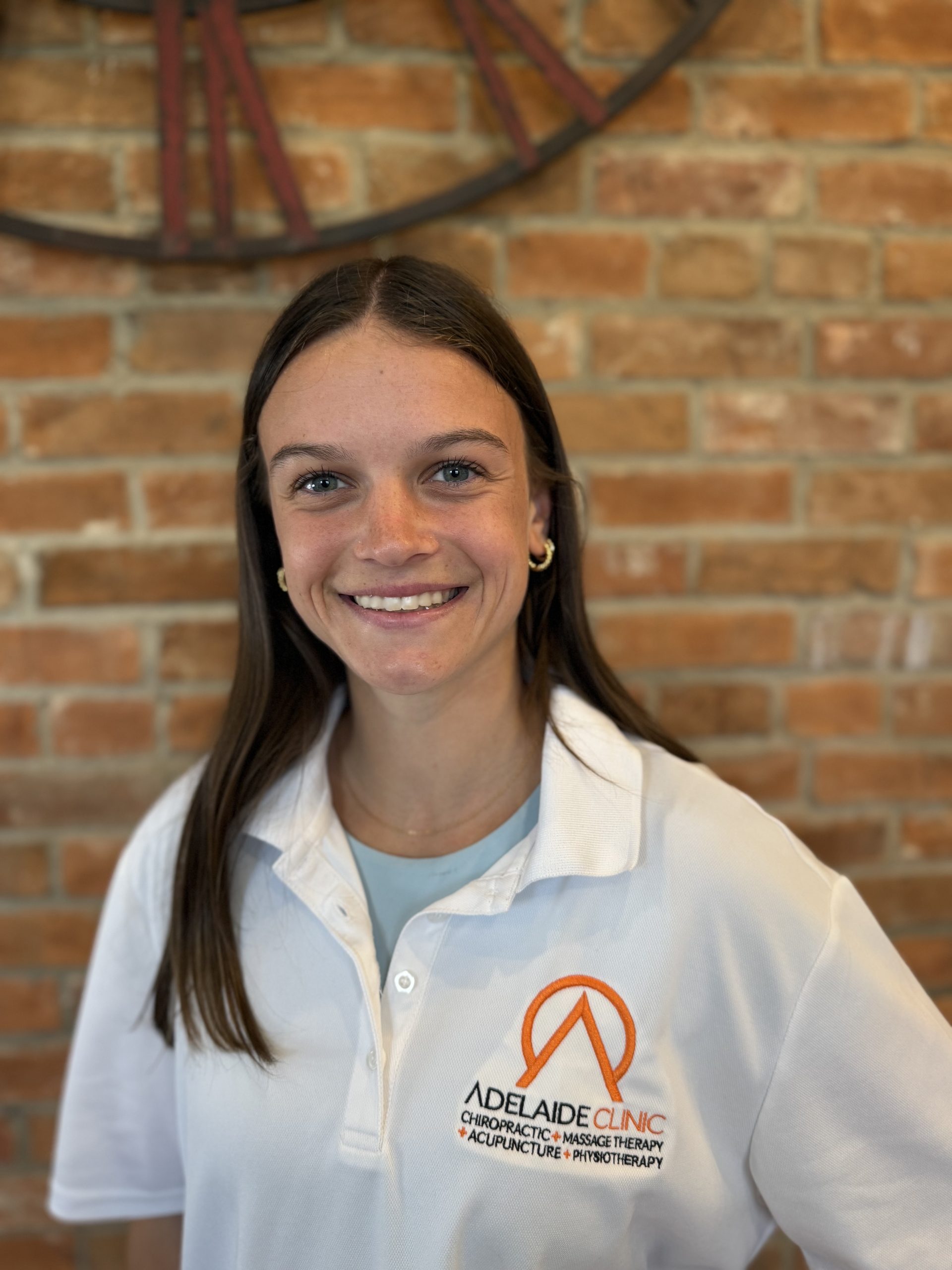
Hi! My name is Michaela, and I’m excited to be joining the Adelaide Clinic team as a new Physiotherapist Assistant (PTA)!
I recently graduated from St. Francis Xavier University (St.FX) in Nova Scotia with a Bachelor of Science in Human Kinetics. During my time at St.FX, I played four years of varsity women’s rugby, and before university, I competed in gymnastics for eight years. My experiences as an athlete sparked my passion for sports, exercise, injury prevention, and rehabilitation.
While completing my degree, I worked as a sports performance intern, where I coached athletes through their workouts. These opportunities reinforced my passion for helping others improve their movement, recover from injuries, and achieve their health and fitness goals.
My love for sports and rehabilitation ultimately inspired me to become a PTA where I can combine my love of movement, exercise, and patient care to help others feel their best! I am excited to be part of the Adelaide Clinic team and look forward to helping patients return to the activities they enjoy and support them throughout their rehabilitation journey.
You don't have to live with pain
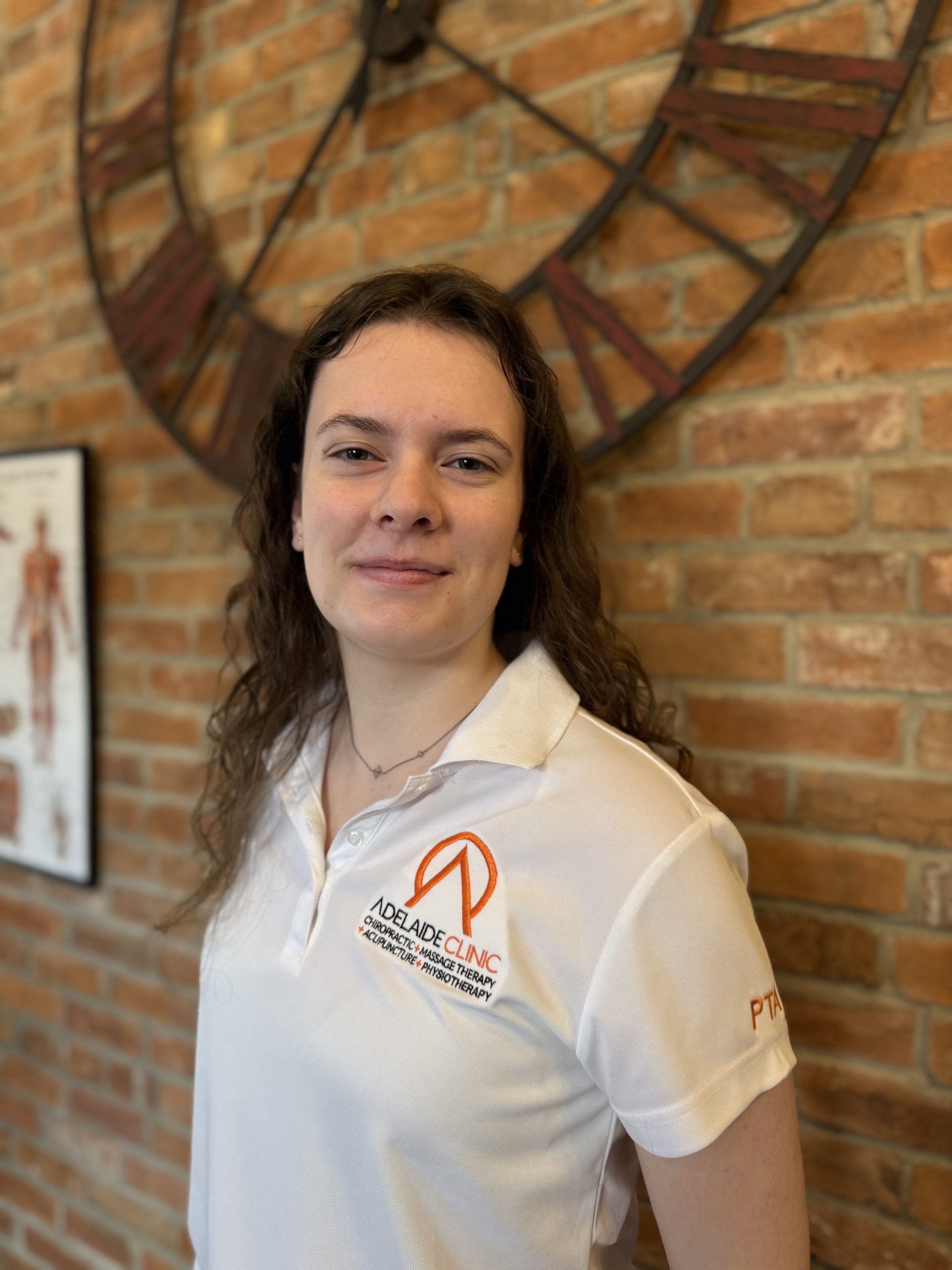
Hello, my name is Rachel, and I am the summer physiotherapist assistant. When I am not here during the summer, I attend the University of Ottawa for a Honour Bachelors in Health Sciences in the stream of Integrative Biosciences. I plan to use this degree to pursue a Masters in Physiotherapy in the future.
When I am not in the clinic, you can find me in the rink playing hockey or on the field playing rugby. I use my experience from these sports to help young athletes improve in their own game; by helping techniques for in-sport skills or improving their strength and mobility through selected exercises.
I have a First Responders CPR certification as well as taken Anti-Doping and Safe Sport courses through my university. I also have a passion for the gym, and I plan to take my Personal Trainer certification in the future to help others find the enjoyment that I have.

You don't have to live with pain
Herabhveer is a dedicated and forward-thinking Physiotherapist who takes a personalized approach to patient care. He believes that effective treatment goes beyond symptom relief, focusing on prevention, long-term maintenance, and addressing the root cause of injury to help patients achieve lasting results.
Herabhveer is committed to delivering evidence-based, patient-centered care that supports optimal recovery and overall well-being. He works collaboratively with each individual to develop tailored treatment plans aligned with their goals, lifestyle, and performance needs.
He holds certifications in joint mobilization, muscle energy techniques, myofascial release, cupping therapy, and kinesiology taping
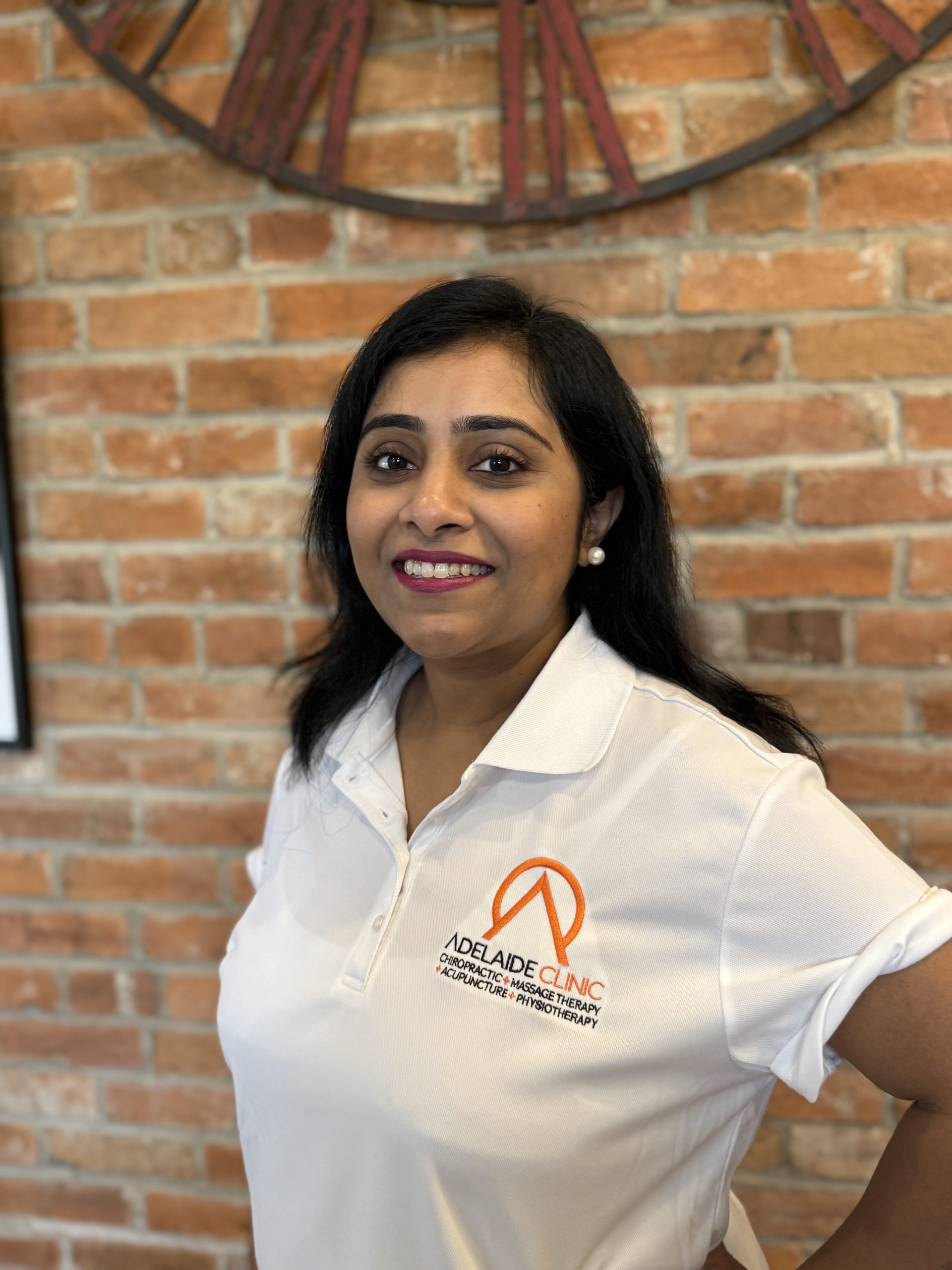
You don't have to live with pain
Vinitha is an experienced physiotherapist with more than 10 years of clinical experience across orthopedic, neurological, sports injury, chronic pain, pediatric, and rehabilitation settings. She is passionate about providing individualized, patient-centred care that helps patients better understand their bodies, regain confidence in movement, and work toward meaningful improvements in their everyday lives.
Vinitha has a special passion for pelvic floor physiotherapy and pelvic health, with a focus on creating a comfortable, respectful, and supportive environment where patients feel heard. She is passionate about helping individuals navigate concerns related to pregnancy and postpartum recovery, bladder and bowel function, pelvic pain and pressure, and returning to activity and exercise. Through education, movement, therapeutic exercise, and individualized treatment, Vinitha strives to empower patients to better understand their pelvic health and feel confident throughout their recovery journey.
In addition to pelvic health, Vinitha brings extensive experience in musculoskeletal assessment, orthopedic and neurological rehabilitation, chronic pain management, sports injury rehabilitation, manual therapy, and therapeutic exercise. She completed her Bachelor of Physiotherapy at Manipal University and has additional training in Dry Needling and LightForce Laser Therapy. Vinitha is excited to bring her experience and passion for pelvic health to Adelaide Clinic and to help patients feel informed, supported, and confident in their care.